
Understanding Melasma: Causes and Effective Treatments

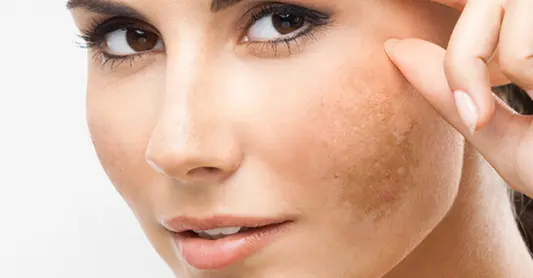
Formation and Treatments of Skin Spots
Skin spots refer to areas of discoloration, darkening, or marks on the skin. They can develop due to various factors such as UV rays, hormonal changes, and aging. Crucially, regardless of the treatment method chosen, daily use of broad-spectrum sunscreen (SPF 50+) is mandatory to prevent spots from worsening.
Below are some common types of skin spots and their treatment methods:
1. Hyperpigmentation (Excess Melanin Production)
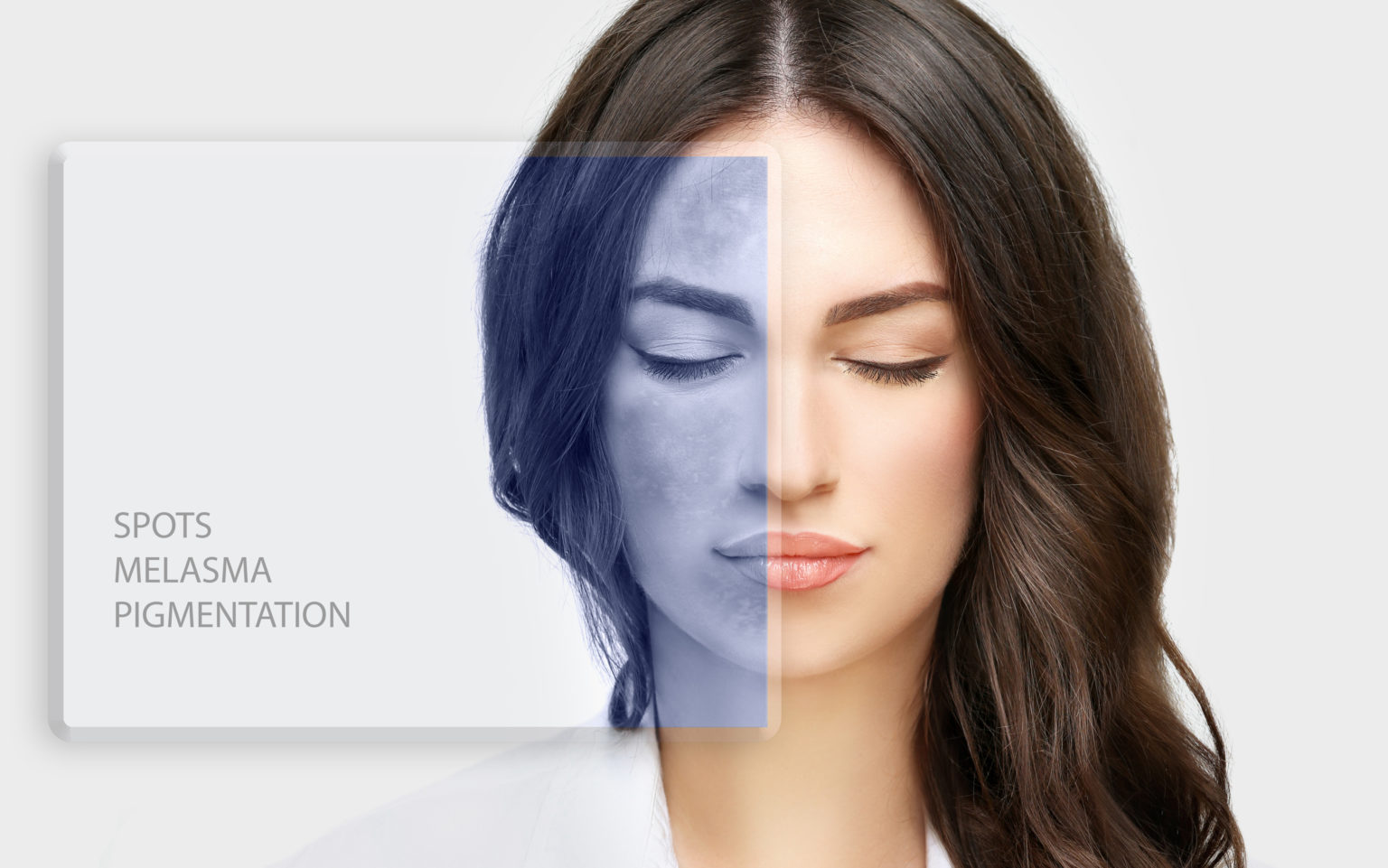
Hyperpigmentation occurs when there is excess melanin production in certain areas, leading to dark spots. This is the overarching category for most common skin patches:
- Sun Spots & Freckles: Dark spots caused by prolonged sun exposure and genetic predisposition.
- Age Spots (Lentigo Senilis): Brown spots that appear on the skin as it matures.
- Melasma (Pregnancy Mask): Symmetrical dark patches common in women during pregnancy or when using birth control, triggered by hormonal shifts.
- Treatment Methods:
- Topical Serums & Creams: Vitamin C, Retinoids, Alpha Arbutin, Niacinamide, Azelaic Acid, or Hydroquinone-based products are highly effective.
- Chemical Peels (AHAs/BHAs): Help to exfoliate the top layers of the skin, accelerating cell turnover.
- Laser Therapy: Targets and breaks down dense skin pigments beneath the surface.
2. Acne Scars and Post-Inflammatory Hyperpigmentation (PIH)
Acne (pimples) can leave red, brown, or dark marks on the skin after the inflammation heals.
Acne (pimples) can leave red, brown, or dark marks on the skin after the inflammation heals.
- Treatment Methods:
- Retinoid Creams: Accelerate cell renewal and fade dark acne marks quickly.
- Benzoyl Peroxide & Salicylic Acid: Keep pores clean to prevent new acne from forming and leaving new marks.
- Microneedling: Stimulates collagen production to smooth out pitted scars.
- Chemical Peels: Promote the formation of new, healthy skin cells.
3. Vitiligo (Loss of Pigment)
Unlike hyperpigmentation, Vitiligo is an autoimmune condition where there is a loss of pigment, leading to distinct white patches on the skin.
Unlike hyperpigmentation, Vitiligo is an autoimmune condition where there is a loss of pigment, leading to distinct white patches on the skin.
- Treatment Methods (Strictly under medical supervision):
- Topical Steroids: Help reduce inflammation and potentially restore some color balance.
- UV Light Therapy: Phototherapy can stimulate the skin to regenerate pigment.
4. Advanced Regenerative Treatments
- PRP (Platelet-Rich Plasma) & Stem Cell Therapy: These clinical procedures utilize your body's own healing mechanisms to regenerate skin tissues, brighten the overall complexion, and accelerate scar healing.
Skin spots form for a variety of reasons, so the ideal treatment path depends heavily on your specific skin type. If you have concerns about persistent skin spots, it is always best to consult a dermatologist for a personalized clinical diagnosis and safe treatment plan.
⚠️ Medical Disclaimer: This article provides general informational content about skincare and common dermatological conditions for educational purposes only. It does not substitute for professional medical advice, diagnosis, or treatment from a qualified healthcare provider.